The Top Reasons People Try Cryotherapy for Wellness
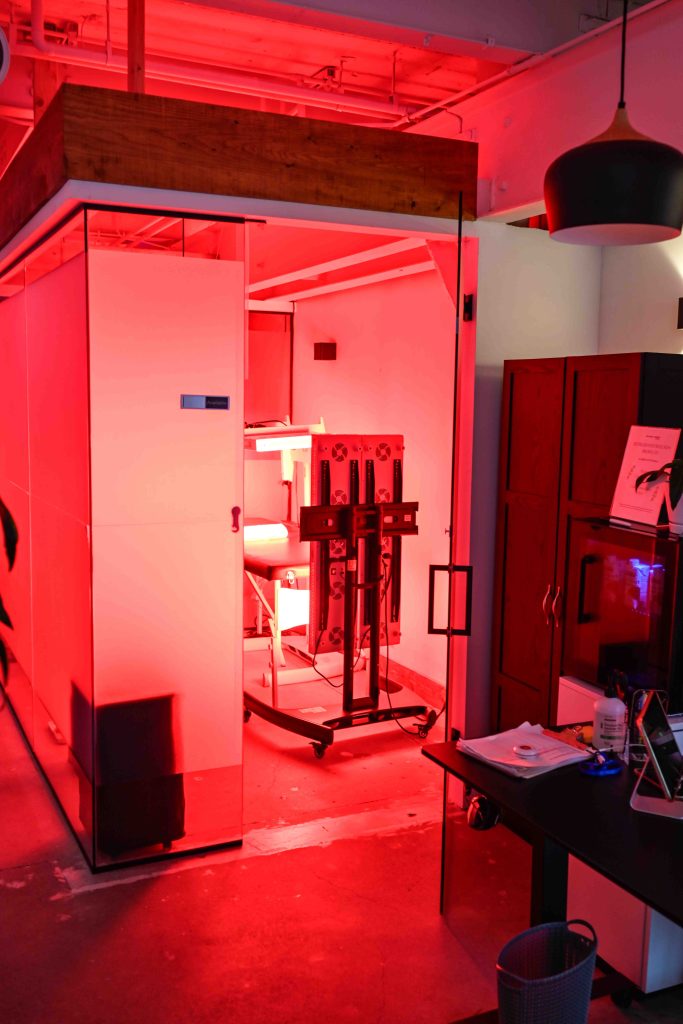

Walk into almost any modern recovery studio, upscale gym, or wellness clinic, and you are likely to see cryotherapy featured alongside compression boots, infrared saunas, and mobility work. That alone says something. People do not keep paying for a treatment because it sounds dramatic. They do it because they hope it will help them feel better in ways they can notice, whether that means less soreness after training, a clearer head during a stressful week, or some relief from the daily drag of inflammation and fatigue.
Cryotherapy has earned attention because it is simple to understand on the surface. The body is exposed to very cold temperatures for a short period, often just two to four minutes in a whole-body chamber or through a more targeted treatment on a specific area. The sales pitch is easy to summarize. Cold exposure may stimulate circulation, support recovery, reduce discomfort, and leave people feeling energized afterward. What makes the topic more interesting is that people are not all showing up for the same reason.
Some come in after hard workouts. Some are dealing with stiff joints. Others are less interested in performance and more interested in mood, resilience, or the feeling that they are doing something proactive for their health. In practice, the motivations are layered. A person may start because of nagging knee pain and continue because they sleep better on treatment days. Another may come for athletic recovery and end up liking the mental reset more than the physical effects.
That range matters, because cryotherapy sits in a category where expectations need to be realistic. It is not a cure-all. It is not a replacement for medical care, strength training, sleep, nutrition, or physical therapy. But there are clear reasons people keep trying it, and many of those reasons make sense when viewed through the lens of how the body responds https://www.google.com/maps?cid=5486411973413264654 to cold.
The appeal starts with fast, low-friction recovery
One of the biggest reasons people try cryotherapy is practical. It does not take much time. A whole-body session is short enough to fit into a lunch break, before work, or after the gym. Compare that with other recovery habits that are worthwhile but harder to maintain. A full mobility session may take half an hour. A proper contrast bath setup can be inconvenient. Even a massage, excellent as it can be, requires scheduling, cost, and enough time afterward to avoid rushing back into the day.
Cryotherapy feels efficient, and that matters more than many wellness professionals like to admit. If a tool is cumbersome, people abandon it. If it is quick and repeatable, they are far more likely to use it consistently.
There is also a psychological advantage to a short treatment. The discomfort is sharp but brief. Many people are willing to tolerate two or three very cold minutes if they think the payoff is reduced soreness or better energy. That is a different proposition from spending fifteen minutes in an ice bath, which asks more from both body and willpower.
In the real world, adherence often beats theoretical perfection. A simple routine done twice a week is usually more useful than an ideal protocol that someone tries once and never repeats.
Many people are looking for relief from soreness and muscle fatigue
Athletes and regular exercisers remain some of the most enthusiastic users of cryotherapy, and their reasons are straightforward. Hard training leaves muscles tender, joints irritated, and connective tissues under stress. Some of that stress is desirable. Training adaptations require recovery, not the complete elimination of every inflammatory signal. But there is a point where soreness starts to interfere with normal movement, sleep, or the next training session.
That is where cold-based recovery methods have long had a place. Coaches have used ice, cold tubs, and local cold therapy for decades. Cryotherapy is in many ways a polished, commercial version of an old idea. The hope is that brief exposure to extreme cold will help calm discomfort, reduce the sense of heaviness in the legs, and make the body feel more ready to move again.
A runner in the middle of a half-marathon training cycle might use cryotherapy after a long run when the calves feel loaded and the hips feel beaten up. A recreational tennis player might book a session after a weekend tournament to reduce the sense of accumulated wear. A strength athlete might use it during periods of high-volume training when soreness lingers longer than usual.
The key point is not that cryotherapy erases training fatigue. It does not. But many people report that it takes the edge off enough to make the next day feel more manageable. That subjective improvement matters. If you wake up feeling less beat up, you are more likely to walk, stretch, eat well, and stay active instead of spending the day guarding every movement.
Joint discomfort is another common driver
Not everyone trying cryotherapy is chasing performance. A large share of interest comes from people dealing with persistent aches, especially in knees, shoulders, lower back, hands, and hips. Some have old injuries. Some have wear-and-tear issues. Some are simply noticing that middle age changes the way the body responds to long workdays, travel, poor sleep, or repeated physical strain.
Cold has long been used for pain management because it can blunt discomfort and reduce localized swelling. Cryotherapy takes that familiar principle and applies it in either a whole-body or targeted format. For someone with a chronically cranky shoulder, a localized cryotherapy treatment may be appealing because it feels more controlled and less messy than repeatedly icing at home. For someone with generalized stiffness, the whole-body approach can feel like a system-wide reset.
This is where expectations need nuance. People with long-standing joint pain often come in hoping for a breakthrough. Sometimes they do feel meaningful relief, especially in the short term. Just as often, the benefit is partial. The knee feels better for a day or two, not forever. The hands loosen up in the morning, but the underlying condition is still there. That does not make the treatment worthless. It just means it belongs in a broader management plan.
In my experience, people are happiest with cryotherapy when they treat it as one lever among several. They combine it with strengthening, mobility work, proper footwear, load management, and, when needed, medical guidance. Problems start when someone expects three minutes of cold to undo years of undertraining, overuse, or structural issues.
The post-session energy lift is part of the draw
Ask regular users why they return, and many will mention an immediate boost in alertness. It is one of the more interesting reasons people try cryotherapy because it has less to do with pain and more to do with how they feel mentally in the hours afterward.
Cold exposure creates a distinct sensation. Breathing sharpens. Attention narrows. When the session ends, many people describe feeling awake, lighter, and switched on. Some compare it to the clean stimulation of a brisk walk in winter air. Others say it feels like the body’s systems have been turned up for a while.
That response helps explain why cryotherapy attracts people who are not injured and are not serious athletes. A business owner under chronic stress may book morning sessions because they like the feeling of being mentally reset before meetings. A parent with a packed schedule may use it less for recovery and more because it interrupts mental fatigue. A shift worker may appreciate the feeling of alertness on difficult weeks.
Of course, not everyone responds the same way. Some feel energized. Others mostly feel cold and relieved when it is over. But the perceived mood and energy effects are a real reason people experiment with it, especially if they are trying to reduce reliance on more caffeine or if they want a ritual that marks a transition from stress into recovery mode.
Inflammation has become a catch-all term, but the concern is real
Another major reason people seek cryotherapy is the belief that it may help with inflammation. This area is often oversimplified in marketing, and it deserves a more careful explanation.
Inflammation is not inherently bad. It is part of healing, training adaptation, and immune response. The problem is that many people feel they are living in a state of ongoing irritation, whether from hard training, poor sleep, repetitive work, high stress, excess body weight, or health conditions that leave them feeling puffy, sore, and run down. When people say, “I think I’m inflamed,” they usually mean their body feels unsettled and not fully recovering.
Cryotherapy appeals because it seems to offer a direct physical intervention. Even without claiming too much, it is easy to understand why someone with sore joints, swollen-feeling legs, or persistent tissue irritation would want to try short bouts of intense cold. The treatment creates a strong sensory signal that feels active rather than passive. People leave feeling that they did something tangible, not just hopeful.
There is a caution here for athletes. If someone uses aggressive cold exposure after every single strength or hypertrophy session, they may want to think about timing and goals. Recovery and adaptation are related but not identical. The same thing that makes you feel less sore can, in some contexts, interfere with the full training response you want. For general wellness clients this may not be a major concern, but for competitive athletes and serious lifters, it is worth discussing with a coach or clinician.
Cryotherapy fits the modern preference for measurable rituals
People are more likely to stick with health practices that feel structured. Cryotherapy benefits from this. A session has a start and end. There is a chamber, a timer, a staff member, and often a clear recommendation such as once or twice per week. That gives people a routine they can anchor to.
Wellness habits fail when they are vague. “Recover more” is not actionable. “Book a three-minute session after leg day” is. Even if the physiological benefit is modest, the act of building a repeatable recovery ritual can improve behavior around it. People who go for cryotherapy may also become more consistent with hydration, sleep, walking, stretching, and training moderation because they have begun thinking of recovery as something worth planning, not something that just happens if there is time.
This is not a trivial point. A treatment can have direct effects and behavior effects. Sometimes both matter. If cryotherapy makes someone more attentive to their body, more respectful of recovery, and more likely to back off before overtraining, it can be useful beyond the few minutes spent in the cold.
Some people use it for skin and circulation-related reasons
Although recovery and pain relief get most of the attention, there is also interest in how cryotherapy affects skin appearance and circulation. People often describe looking less puffy after a session or feeling that their skin looks tighter for a while. Others like the sensation of warmth returning afterward, which they interpret as a sign of increased circulation.
This is an area where enthusiasm can outrun evidence, so restraint is important. Cryotherapy is not a replacement for evidence-based dermatology or vascular care. Still, from a consumer perspective, the appeal is obvious. Someone who spends long hours sitting, travels often, or wakes up feeling swollen may try cryotherapy because they like the refreshed feeling that follows. Another person may enjoy it before a major event because they feel less sluggish and more pulled together physically.
Wellness choices are not always driven by major health outcomes. Sometimes they are driven by how a person feels in their body that afternoon. That may sound superficial, but comfort and confidence have value.
Stress relief can come from the contrast between discomfort and control
One of the most overlooked reasons people try cryotherapy is that the experience itself can feel mentally clarifying. Brief, controlled discomfort asks for focus. You cannot scroll your phone, multitask, or mentally wander much while standing in extreme cold. For a few minutes, your attention is completely tethered to the present moment.
That can be strangely useful for people whose stress is mostly cognitive. They spend all day in low-grade mental overdrive, and cryotherapy interrupts it. The cold creates a clear beginning, middle, and end. You step in, breathe through it, and step out. For some personalities, that is more regulating than passive wellness experiences where the mind keeps racing.
There is also a small but meaningful confidence effect. Doing something physically challenging, even briefly, can leave people feeling more resilient. Not transformed, not heroic, just steadier. That matters during periods when life feels frictionless in the wrong way, too much sitting, too much screen time, too little physical intensity.
This is one reason cryotherapy appeals to people who would never describe themselves as wellness enthusiasts. They are not interested in incense, vague language, or long recovery protocols. They like that the experience is direct, measurable, and a little demanding.
The social factor should not be underestimated
Wellness trends often spread because people see others using them, but social influence is not always shallow. Sometimes it lowers the barrier to trying something that turns out to be genuinely helpful. A spouse tries cryotherapy and notices less back stiffness. A training partner starts going after heavy squat days and seems to recover faster. A coworker mentions sleeping better after evening sessions. Those stories prompt curiosity.
Studios also make the experience feel less clinical and more approachable. The staff explain the process, monitor the session, and normalize the first-time nerves. That support matters because cryotherapy can look intimidating from the outside. Once people realize the exposure is brief and supervised, many are more willing to try it.
The social side can also improve consistency. If two friends add cryotherapy to their post-workout routine, they are more likely to keep showing up. This may sound peripheral, but adherence often depends on environment and companionship more than on perfect physiology.
Why some people try it once and never return
The same features that attract some users turn others off. Cost is an obvious factor. Compared with a cold shower or a bag of ice at home, cryotherapy is expensive. If someone does not notice a clear benefit after several sessions, they may decide it is not worth the money.
Tolerance is another issue. Some people simply hate the cold. They spend the entire session bracing, counting seconds, and waiting for it to end. For them, any potential upside may be overshadowed by the unpleasantness. Others have specific medical considerations that make cryotherapy inappropriate, which is why proper screening matters.
Expectation mismatch is common too. If someone arrives expecting dramatic fat loss, a cure for chronic pain, or a total fix for burnout, disappointment is likely. The most satisfied users tend to be the ones seeking targeted, modest benefits: a little less soreness, a little more energy, a better feeling in the joints, a clearer recovery routine.
The people who quit quickly often fall into one of a few categories:
- they expected a miracle and got a subtle result
- they disliked the sensation more than they valued the outcome
- they could not justify the ongoing cost
- they had easier alternatives that worked well enough
- the treatment did not fit their real health priorities
That does not make cryotherapy overhyped by definition. It just means it is selective. Like many wellness tools, it works best when the person, the goal, and the setting line up.
What sensible first-timers usually want to know
The most grounded questions tend to be practical, not philosophical. People want to know what it feels like, how often they should go, and whether whole-body treatment is better than local treatment. The honest answer is that the best use depends on the reason for going.
If the goal is general recovery, energy, or a broad sense of reset, whole-body cryotherapy is usually what people choose. If the problem is concentrated, such as a stubborn elbow, an irritated Achilles tendon, or a flared-up shoulder, localized treatment may make more sense. Frequency varies, but many people start with one or two sessions a week and then decide based on response, schedule, and budget.
A reasonable first session mindset looks like this:
- treat it as an experiment, not a commitment
- notice how you feel later that day and the following morning
- judge the result by your actual goal, not by hype
- mention any medical conditions before starting
- keep the rest of your recovery habits in perspective
That last point matters. Cryotherapy is at its best when it complements the basics. Good sleep will still do more for most people than any chamber. Strength work still matters for joint health. Nutrition still shapes recovery. The treatment can be useful, but it is rarely the foundation.
The real reason it keeps gaining traction
If you strip away branding, cryotherapy sits at the intersection of three things people care about deeply: pain reduction, recovery, and the desire to feel better fast. Those are powerful motivations. Most people are not looking for perfect optimization. They are trying to function well enough to train, work, parent, travel, and keep discomfort from defining their week.
That is why cryotherapy continues to attract attention in the wellness space. It offers a brief, memorable intervention that people can feel immediately, even if the effects are modest or temporary. For some, that is exactly enough. A slightly easier descent down the stairs after leg day, a shoulder that feels less irritated, a better mood after a rough morning, an evening with less physical heaviness, those are not trivial wins when repeated over months.
The strongest reason people try cryotherapy, then, is not hype. It is practicality. They want relief they can fit into a real life. They want something active, short, and concrete. They want a tool that meets them where they are, whether that is an athlete managing workload, an office worker chasing stiffness out of the back and hips, or someone simply trying to stack a few more good days together.
Cryotherapy will not be the right fit for everyone. But the reasons people keep exploring it are easy to understand, and in many cases, grounded in common sense. When used with clear expectations and good judgment, it can occupy a legitimate place in a broader wellness routine.
SDBody Mission Hills
Address: 1747 Hancock St Ste C, San Diego, CA 92101
Phone number: +16197720252
FAQ About Cryotherapy
What does cryotherapy do for your body?
Cryotherapy exposes the body to extremely cold temperatures for a few minutes to trigger natural healing and recovery responses.
What are the negatives of cryotherapy?
The primary negatives of cryotherapy include skin burns, frostbite, temporary nerve irritation, and temporary spikes in blood pressure caused by extreme cold.
How much does cryotherapy typically cost?
A single session of non-medical cryotherapy typically costs between $40 and $100. However, prices vary significantly depending on the specific type of treatment, your location, and whether you purchase a membership or package.